
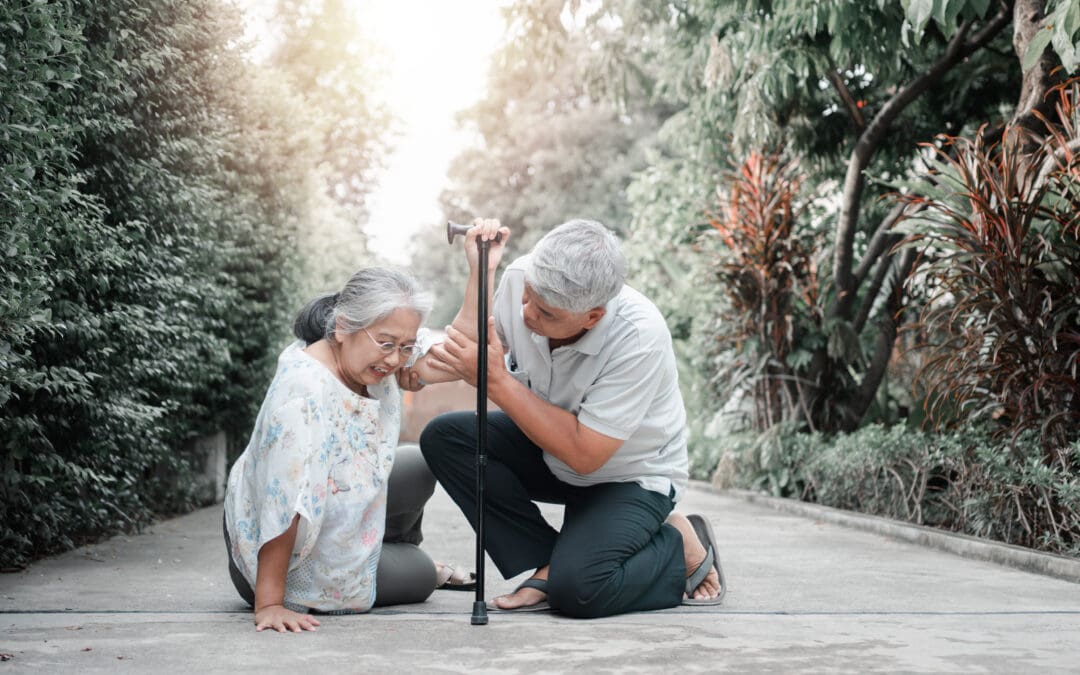
As we age, maintaining stability and preventing falls becomes increasingly important. Falls can have severe consequences for seniors, yet they are often preventable. In this blog, we will present a series of practical tips designed to help seniors minimize the risk of falls and enhance their safety at home and outdoors. These measures span from simple lifestyle adjustments to home modifications, all aiming to provide a more secure environment for our loved ones.
Importance of Regular Exercise and Physical Activity
Regular exercise and physical activity offer a myriad of health benefits, especially for seniors. These activities are crucial for maintaining mobility, enhancing muscular strength, and improving balance, all of which significantly reduce the risk of falls.
Enhancing Mobility
Regular movement helps seniors maintain joint flexibility and overall mobility, making daily activities easier and safer. Simple activities like walking or even stretching can significantly contribute to preserving the range of motion.
Strengthening Muscles
Strength training exercises, even light ones, can significantly improve muscular strength. Strong muscles are crucial for tasks like standing up from a chair or climbing stairs, which in turn reduce the risk of falls.
Improving Balance
Balance-focused activities, such as tai chi or yoga, can significantly enhance stability. These exercises train the body to control and maintain its position, whether the person is moving or still, thereby reducing the likelihood of falls.
Optimizing Home Safety for Fall Prevention
Modifying the home environment can greatly contribute to fall prevention in seniors. It’s important to eliminate potential hazards and create a living space that promotes safety and mobility. In the following sections, we will discuss some of the most effective home modifications and improvements that can be implemented to reduce the risk of falls.
Clearing Pathways
Keeping pathways clear and well-lit is a fundamental step towards a safer home environment. This involves removing any objects that can be tripped over such as shoes, cords, or loose rugs. Adequate lighting, both during the day and night, is crucial for preventing accidental falls.
Installing Grab Bars and Handrails
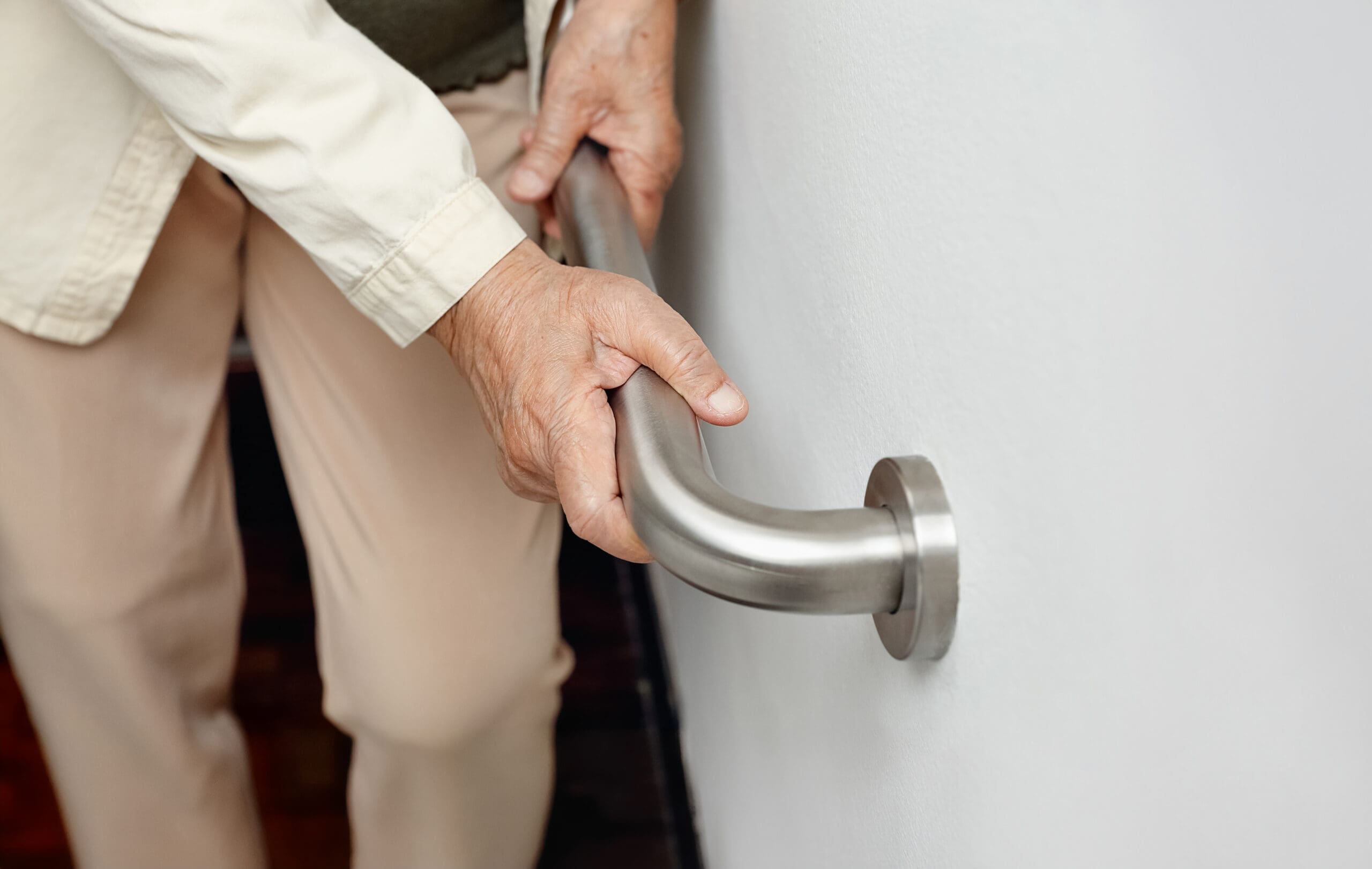
Grabbing bars in the bathroom and handrails on stairways can provide additional support for seniors. These aids can be especially helpful in slippery or steep areas, giving seniors something to hold onto and making movement safer.
Non-slip Mats
Non-slip mats can be used in potentially slick areas, such as the bathroom or kitchen. These mats provide extra traction underfoot, helping to prevent slips and falls.
Furniture Arrangement
The arrangement of furniture can greatly impact mobility within the home. It’s advisable to ensure that furniture is arranged in a way that allows for easy navigation, particularly in high-traffic areas.
Regular Maintenance
Regular home maintenance is essential to ensure that all home systems are functioning properly and do not pose any safety risks. This includes checking that floors, stairs, and railings are in good condition and making necessary repairs promptly.
With these tips, seniors can enjoy a more secure, fall-proof living environment. It’s about creating a space that supports senior’s mobility and independence while minimizing the risk of falls.
Embracing Assistive Devices for Increased Safety
Assistive devices like canes and walkers can be invaluable tools in preventing falls for seniors. These aids provide extra stability when walking or standing, thereby reducing the risk of falls. It is important for seniors to feel comfortable using these devices, and to understand that they are not a sign of weakness or loss of independence, but rather a means of enhancing their safety and mobility. With the right device and proper training on its use, seniors can confidently navigate their environment, reducing the risk of falls.
Walkers
Walkers offer excellent stability for seniors who have difficulty maintaining balance. They provide more points of contact with the ground, reducing the chance of falls.
Canes
Canes serve as a useful support for seniors with mild balance issues or strength deficiencies. They can be used on one side of the body to assist with stability and balance during movement.
Wheelchairs
Wheelchairs provide mobility assistance for seniors who have significant difficulty walking or are unable to walk. Wheelchair use can prevent falls caused by fatigue or loss of balance during prolonged periods of movement.
Rollators
Rollators, also known as rolling walkers, are equipped with wheels that can make movement smoother for seniors. They also often feature a seat for rest, providing a dual benefit of mobility assistance and fatigue prevention.
Stair Lifts
Stair lifts allow seniors to safely navigate stairs without the risk of falling. They are particularly useful in homes where bedrooms or bathrooms are located on different levels.
Conclusion
Falls are a significant risk for seniors, but with the right measures in place, we can greatly reduce their likelihood and promote greater safety and independence. Regular exercise, home modifications, assistive devices, and regular maintenance can all contribute to creating a secure living environment for our loved ones. By taking proactive steps toward fall prevention, we can enhance the quality of life for seniors and provide peace of mind for both them and their caregivers.
Recent Comments